
The first cold night hits, and by the weekend you hear a faint scratch above the kitchen ceiling. We get that call every fall from Squirrel Hill, Lawrenceville, Brookline, Penn Hills and Fox Chapel. The mouse did not appear overnight. It found a gap you could have closed in ten minutes back in September.
This fall rodent proofing checklist is the one we use on our own walk arounds. Every task has a tool and a time estimate. Most homeowners can finish the outside list in one Saturday.
Pittsburgh houses make this harder. Stone foundations lose mortar. Row houses share walls. Old coal chutes and gas lines leave gaps. A house mouse needs a gap only about 1/4 inch wide. A Norway rat needs about 1/2 inch.
So which gaps come first, and what can wait? We rank the tasks and show when to call for help.
Quick Answer
A fall rodent proofing checklist covers four zones: the foundation, the doors and garage, the yard, and the inside. Do the outside work in September or early October, before nights drop near freezing. Pack each gap with copper mesh or steel wool, then cap it with caulk or mortar.
The short version, with typical times:
- Foundation and utility lines: 1 to 3 hours.
- Door sweeps and garage door seal: 1 to 2 hours.
- Dryer vent and foundation vents: about 45 minutes.
- Yard cleanup: about 1 hour.
- Inside gaps and early warning traps: about 1 hour.
Plan for one full day, or split it over a weekend. Professional sealing and exclusion often adds about $200 to $600 for a typical Pittsburgh house. See our rodent control cost guide for typical area ranges.
Do not skip the traps inside. They tell you if a mouse got in before you finished. If you already see droppings, trap first, then seal. Our complete rodent proofing guide covers every material in more depth.
When Do Mice Come Inside in Fall in Pittsburgh?
Mice usually move inside when nights turn cold, which in Pittsburgh often runs from late September through November. A warm early fall can delay the move, and a sudden cold snap can speed it up. That is why we tell homeowners to finish sealing before the first hard frost arrives.
Our seasonal rodent calendar shows what to expect each month.
What Does a Fall Rodent Proofing Checklist Include?
A good checklist lists every gap, the tool to close it and how long it takes. It moves from the outside in. Seal the foundation and doors first, then clean the yard, then handle the inside. Times below are typical for one person working on an average single family home.
| Task | Tool or material | Time |
|---|---|---|
| Seal utility line gaps | Copper mesh, exterior caulk | 1 to 2 hours |
| Patch cracked mortar | Mortar patch, trowel | 1 to 3 hours |
| Replace door sweeps | Metal or brush sweep, drill | 20 minutes per door |
| Replace garage door bottom seal | Rubber seal, utility knife | 45 minutes |
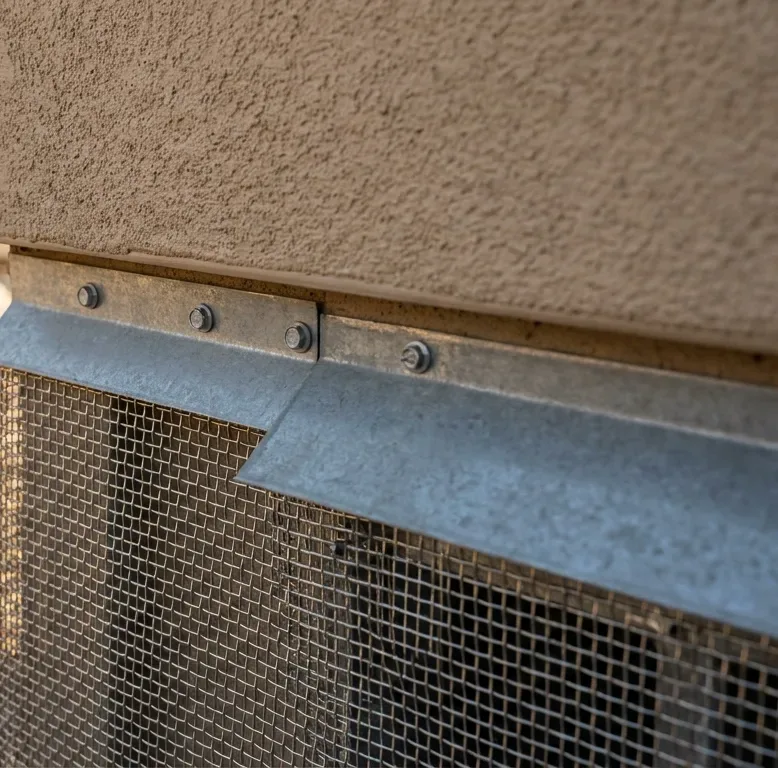
| Screen crawl space vents | 1/4 inch hardware cloth, screws | 30 minutes per vent |
| Rake leaves off the foundation | Rake, yard bags | 30 to 60 minutes |
| Seal gaps under sinks | Steel wool, caulk | 45 minutes |
| Set snap traps in basement and garage | Snap traps, peanut butter | 15 minutes |
How Do You Mouse Proof Before Winter, Step by Step?
To mouse proof before winter, work from the ground up and outside in. Inspect first so you know what to fix. Pack metal into every gap a pencil fits through. Then close doors and vents, clean the yard and finish inside. Most homes take one long day. Stone foundations can take two.
- Inspect (30 minutes). Mark gaps near pipes, wires and the sill plate.
- Seal utility lines (1 to 2 hours). Pack copper mesh, then caulk.
- Repair mortar (1 to 3 hours). Replace loose mortar with fresh patch.
- Close doors and garage (1 to 2 hours). Seal any corner showing daylight.
- Screen vents (30 to 60 minutes). Screw on hardware cloth.
- Clean the yard (1 hour). Move seed into metal bins.
- Seal inside (45 minutes). Fill gaps under sinks and around radiator pipes.
- Set traps (15 minutes). Check them every few days.
Which Gaps Matter Most in Older Pittsburgh Homes?
In older Pittsburgh homes, the worst gaps are usually low. We often find mice using cracked foundation mortar, gas and water line entries, old coal chutes and the sill plate. Garage door corners lead the list in suburban homes. Shared basement walls in row houses are hard to seal from one side.
If You Live in a City Row House
Check where the sewer lateral and water line enter. Mice also travel from next door, so seal pipe chases on the shared wall. This is common in Lawrenceville and the South Side.
If Your Home Backs Onto Woods
Homes in Fox Chapel and near Frick Park in Squirrel Hill see more deer mice. They can carry hantavirus, so read our deer mouse guide before you clean nests.
If You Hear Scratching Only at Night
A mouse may already be inside. Trap first, then seal.
What Fall Pest Prevention in Pittsburgh Belongs in the Yard?
Fall pest prevention in Pittsburgh begins with removing food and cover near the house. Rake leaves off the foundation and pick up fallen fruit and nuts. Store bird seed in metal bins. Keep firewood off the ground and away from the walls. A clear strip makes mice cross open ground, which they avoid.
The CDC advises keeping woodpiles raised and away from the house.
What Should You Do If You Find Droppings While Checking?
If you find droppings, a mouse is likely already inside. Trap first in that area. Wear gloves and soak the droppings with a bleach solution before you wipe them up. Do not sweep or vacuum them dry. Seal the gap once your traps stay empty for several days in a row.
Follow the CDC cleanup steps.
Why Do Mice Still Get In After You Seal?
Mice still get in when one gap was missed or a seal failed. Common misses are high gaps at roof returns, gaps behind decks and porches, and garage door corners. Foam and plain caulk fail fast. Freeze and thaw cycles can also crack fresh mortar over winter, so check the foundation again in spring.
- Traps keep catching mice: recheck utility lines and the sill plate.
- Chewed caulk or foam: pack metal behind it and reseal.
- Mice back after winter: look for new cracks. See freeze and thaw entry points.
When Should You Call a Professional Instead?
Call a professional when gaps are high, large or hidden. Roof gaps, chimney work and big foundation repairs carry real ladder risk. Call us too if you find droppings in several rooms, or if mice keep coming back after you seal. A full inspection finds the gaps most homeowners miss on their own.
Our fall rodent inspection is the next step if your fall rodent proofing checklist turned up too much.
Why Pittsburgh Homeowners Choose Rodent Shield Pittsburgh
We work on rats and mice only. We know Pittsburgh houses, from Bloomfield stone foundations to Bethel Park garages. We seal with copper mesh, hardware cloth and mortar, not foam. Our rodent proofing and exclusion service covers the whole house.
Frequently Asked Questions
When should I do my fall rodent proofing in Pittsburgh?
Plan to finish your fall rodent proofing checklist by early October. Mice tend to move inside as nights get cold, which often happens from late September into November here. Working in September gives you dry weather, so caulk and mortar can cure well. It also leaves time to fix problems you find on the first walk around. If you wait until November, a mouse may already be inside. Then you need to trap first and seal second, which adds days to the job.
How long does a fall rodent proofing checklist take?
Most homeowners finish the full list in one long day, or about 6 to 9 hours. The foundation and utility line work takes the longest. Older stone foundations can push it to two days because mortar repair is slow work. Door sweeps and the garage door seal take an hour or two together. Yard cleanup takes about an hour. The inside sealing and trap setup take about one more hour. You can split the work over a weekend if that is easier.
Is it too late to rodent proof if mice are already inside?
No, it is not too late, but you need to change the order. Set snap traps along the walls in the basement, kitchen and garage first. Keep trapping until the traps stay empty for several days in a row. Then seal every gap you found. If you seal first, a mouse can get stuck inside a wall and die there. That often causes a strong smell for weeks. If you see droppings in several rooms, call us for trapping and sealing together.
Do mice leave the house in spring on their own?
Mice that nest inside usually stay put. Your home gives them warmth, water and food all year long. They do not leave just because the weather warms up in April. House mice can also breed indoors, so a small problem can grow over the winter. That is why sealing still matters after the cold months end. Recheck your foundation in spring for new cracks caused by freeze and thaw. Then seal what you find before next fall arrives.
Can I use steel wool to seal mouse holes?
Yes, steel wool works well for small indoor holes, because mice find it hard to chew. The weak point is rust. In damp basements and on outside walls, plain steel wool rusts and loosens over time. Copper mesh or stainless mesh lasts longer in those spots. Pack the metal in tight, then cap it with caulk to hold it in place. Never use spray foam alone. Mice chew through it quickly. See foam vs steel mesh for details.
How do I mouse proof a garage before winter?
Replace the garage door bottom seal first, since worn seals are a common gap. Then check the corners where the door meets the frame. Daylight there means a mouse can get in. Seal gaps around pipes and wires that enter the garage walls. Move pet food, bird seed and grass seed into metal bins with tight lids. Get cardboard boxes off the floor and onto shelves. Set a few snap traps along the walls and check them every few days.
Do ultrasonic devices or peppermint oil keep mice out?
We do not rely on them. Mice may avoid a strong smell or sound for a short time, but they get used to it. A repellent also does nothing to close the gap a mouse is using. Sealing with metal and mortar is what keeps mice outside. Traps then tell you if any are still inside the house. For a closer look at what works and what does not, read our guide on whether mouse repellents work.
What does professional rodent proofing cost in Pittsburgh?
Sealing and exclusion often adds about $200 to $600 for a typical Pittsburgh house. A standalone inspection usually runs about $100 to $200. Larger jobs with trapping and follow up visits often fall around $400 to $650. Severe, long running problems can cost more than that. These are typical area ranges, not quotes. Your price depends on how many gaps you have, your foundation type and how hard the gaps are to reach. Call us for a price on your home.
Next Steps
- Work through this fall rodent proofing checklist this weekend.
- Buy copper mesh, caulk, door sweeps and a garage seal.
- Seal utility lines and doors, then clean the yard.
- Set snap traps inside as an early warning.
- Found droppings or gaps you cannot reach? Book an inspection.
Need Rodent Control in Pittsburgh?
Call Rodent Shield Pittsburgh at (412) 560-9090 for same day rat and mouse removal, sealing and cleanup across Pittsburgh and Allegheny County.