
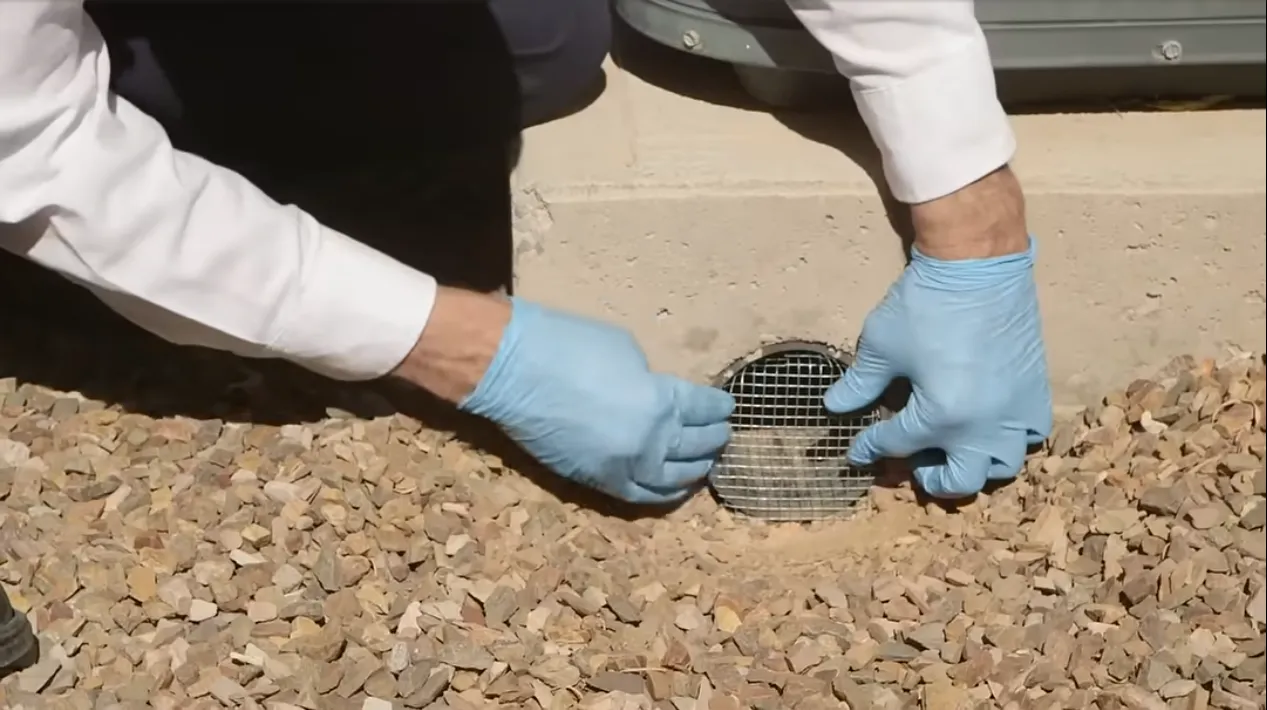
You step onto the back patio in Bloomfield and see a fresh hole by the slab. In Lawrenceville, the soil under the shed looks dug out overnight. A Brookline neighbor spots a rat on the fence at dusk. In Mt. Washington, the dog will not leave one garden corner alone. You need to know how to get rid of rats in yard spaces before they move inside.
Here’s the hard truth. A rat you see outside is rarely alone. Norway rats live in family groups underground. They tunnel under slabs, sheds, decks and stoops. Then they follow food, like bird seed, compost, chicken feed or a neighbor’s open trash.
Most people grab a smoke bomb or dry ice first. Those rarely work, and some uses break the law. We will show you what does work. You will learn to spot burrows, test them, cut off food and block hiding spots. You will also learn how to report a problem property through Pittsburgh 311 or the Allegheny County Health Department.
Quick Answer
Here is how to get rid of rats in yard burrows. Remove their food first, then their cover. Test each burrow to see if it is active. Trap or bait near active holes using covered, tamper-resistant boxes. Then fill the burrows and block sheds and decks with buried hardware cloth. Skipping the food step is why most yard efforts fail.
In Pittsburgh, yard rats are almost always Norway rats. They are heavy ground burrowers, not the climbing roof rats in Southern guides. Learn their habits on our Norway rat in Pittsburgh page.
- Food. Pick up bird seed, fruit, pet food and dog waste. Lid every trash can.
- Cover. Lift woodpiles off the ground. Clear junk and brush near the house.
- Test. Loosely plug each hole and check it in 24 to 48 hours.
- Control. Use snap traps in covered boxes or locked bait stations by active holes.
- Close. Fill dead burrows with soil and pack them hard.
- Block. Bury hardware cloth along shed, deck and slab edges.
City residents can also call 311 for a free outdoor bait station. If burrows sit against your foundation, check inside too. Our guide to signs of rats in house basements and walls shows you how.
What Are the Signs of Rats in Yard Spaces?
The main signs of rats in yard spaces are round holes 2 to 3 inches wide with loose dirt at the mouth. You may also see worn paths through grass, droppings near trash cans and gnaw marks on wood or plastic. Rats moving at dusk are another clue. Most holes show up by slabs, sheds, decks and fence lines.
The Allegheny County Health Department says a typical rat burrow is 2.5 to 3 inches across. It runs 6 to 8 feet long but only 6 to 8 inches deep. So burrows are long and shallow, not deep pits. Use this table to rule out other animals.
| Sign | Rat burrow | Chipmunk | Mole | Groundhog |
|---|---|---|---|---|
| Opening | About 2 to 3 inches | Small and neat | No open hole | Much larger |
| Dirt at entrance | Loose fan of soil | Usually none | Raised ridges | Large mound |
| Typical spot | Slabs, sheds, decks, fences | Lawns, stone walls | Open lawn | Banks, under sheds |
| Other clues | Runways, droppings, gnawing | Seen by day | Tunnels under turf | Large animal seen |
Not sure about droppings? Compare them on our mouse vs rat droppings page.
Why Are Rats Under the Shed, Deck or Patio Slab?
Rats burrow under sheds, decks and patio slabs because the space is dry, dark and safe. The structure works like a roof that keeps predators out and holds the soil firm. With food nearby, a rat family can stay for months. Older Pittsburgh lots with stoops, retaining walls and alley sheds give rats plenty of choices.
If rats are under your shed
Sheds sit on blocks with an open gap below. We clear the base, then skirt it with hardware cloth. We bury the mesh about a foot down and bend the bottom outward in an L shape. Rats dig down, hit the mesh and give up.
If rats are under your deck
Food dropped through the boards feeds them. Sweep under the deck and keep the grill clean. Close the open sides with the same buried L-shaped mesh.
If the hole sits where your sewer line leaves the house
A burrow by the foundation can point to a broken sewer lateral. Rats can travel from the sewer into the soil through a crack. A camera check of the line can confirm it. See sewer and yard rat control, and read about a rat in the toilet for the indoor side.
What Draws Rats in Backyard Spaces Across Pittsburgh?
Rats in backyard spaces want food, water and shelter. The usual sources are bird feeders, open compost, chicken feed, pet food, fallen fruit and trash. A clean yard can still host rats if a neighbor’s trash or coop feeds them. Rats rarely travel far from their burrow, so the food source is usually close by.
- Bird feeders. Take them down for a few weeks. Spilled seed feeds rats every night.
- Compost. Skip meat, dairy and grease. Use a closed bin with mesh under it.
- Chicken coops. Store feed in metal cans. Collect eggs daily and pull feeders at night.
- Neighbor trash. Alleys in Bloomfield and Lawrenceville often see bags with no lid.
Row houses make this a block problem. See our Bloomfield and Lawrenceville pages for local notes.
Why Don’t Smoke Bombs and Dry Ice Work on Rat Burrows?
Smoke bombs and dry ice usually fail because rat burrows have several exits. The gas leaks out other holes, and survivors dig new tunnels. Plain store-bought dry ice is not registered as a rat pesticide, so using it that way breaks federal pesticide law. Smoke cartridges also bring a fire risk near decks, sheds and dry grass.
The EPA has warned cities against using ordinary dry ice on rats. Only specific registered products, used exactly as labeled, are allowed. Gas cartridges carry their own label limits. Flooding burrows with a hose, peppermint oil and ultrasonic devices fail too. None of them remove the food that keeps rats there.
What Is the Best Way to Get Rid of Rats Outside?
The best way to get rid of rats outside is a steady plan, not one trick. Cut off food and cover, test burrows, then trap or bait near active holes. Keep it up for two to four weeks. Then fill and block the burrows. This is how to get rid of rats in yard spaces so they are less likely to return.
- Map every hole (30 minutes). Note burrows by slabs, sheds, decks and fences.
- Remove food and water (1 to 2 hours). Take down feeders, lid trash and close compost.
- Clear cover (2 to 4 hours). Lift woodpiles a foot off the ground. Cut brush back.
- Test burrows (24 to 48 hours). Loosely plug each hole with soil or paper. Reopened holes are active.
- Trap or bait (1 hour, then daily checks). Set snap traps in covered boxes along runways. Bait only in locked stations.
- Keep checking (2 to 4 weeks). Re-test holes weekly and reset traps.
- Fill and pack (1 hour). Once holes stay closed, fill them with soil and tamp hard.
- Install buried mesh (half a day per structure). Skirt sheds and decks in an L shape.
The Allegheny County Health Department rodent page explains safe burrow baiting. Wear gloves and seal any dead rats in bags.
How Do You Report a Neighborhood Rat Problem in Pittsburgh?
City of Pittsburgh residents can call 311 for a free outdoor bait station, or to report trash and property violations. Anyone in Allegheny County can file a rat complaint with the Allegheny County Health Department. The department sends the responsible party a notice and inspects if it is not fixed. Bring dates, photos and the exact address.
Pittsburgh 311 Rodent Baiting Program. Call 311 with your name, phone number and address. The City of Pittsburgh Rodent Baiting Program places one pet-safe bait station outside, free up to twice a year. The owner or a resident can ask. It does not cover businesses, buildings with more than four units, empty lots, abandoned properties or public ways. Placement can take several weeks when demand is high.
311 to PLI. The city says conditions that cause rats, like trash violations or poor upkeep, go to Permits, Licenses and Inspections through 311.
Allegheny County Health Department. Its Housing and Community Environment Program takes rat complaints at 412-350-4046 or by online form. You can also go through your local municipality. It sends a Pre-Inspection Notice to the responsible party, then inspects if the deadline passes.
When Are Rats Most Active in Pittsburgh Yards?
Pittsburgh yard rats stay active all year, but the pattern shifts by season. Spring and summer bring more digging and young rats. In fall, rats push toward foundations, garages and basements as nights turn cold. In winter they stay active, just closer to buildings. Fall is the best time to block sheds, decks and foundation gaps.
Spring snowmelt exposes burrows along fences and slabs. Summer compost and cookouts feed alley rats. Rats do not hibernate, so fresh holes in snow often sit right by the house. Our Pittsburgh rodent seasonal calendar breaks it down by month.
Troubleshooting: Why Do the Rats Keep Coming Back?
Rats return when food is still out, when a neighbor’s yard feeds them, or when burrows were filled too early. Unblocked sheds and decks invite them back too. Find which one fits your yard. Fixing a single gap often ends a problem that has dragged on for months, so check each cause before you buy more traps.
- Holes reopen after filling. Rats still live there. Trap before you fill.
- Traps sit untouched. Rats avoid new objects. Leave traps baited but unset for two or three nights.
- No change after weeks. Look over the fence for a coop, compost pile or open trash.
- Holes by the foundation. Check for a broken sewer lateral or a crawl space entry.
Several burrows, rats in daylight or rats inside mean it is time to call us. Typical Pittsburgh area ranges for a trapping or baiting visit run about $150 to $350. Sealing and exclusion often add about $200 to $600 for a typical house. These are market ranges, not quotes. See rodent control cost in Pittsburgh and our rat removal in Pittsburgh service.
Why Pittsburgh Homeowners Choose Rodent Shield Pittsburgh
Rodent Shield Pittsburgh works on rats and mice only. We find every burrow, test it and treat the colony where it lives. We block sheds, decks and slabs with buried hardware cloth. We seal foundation gaps with steel mesh and check where your sewer line leaves the house. We work across Pittsburgh and Allegheny County, from Bloomfield row houses to Brookline hillsides. Same day and emergency visits are often available.
Frequently Asked Questions
Should I be worried if I see one rat in my yard?
Yes, it is worth acting on. Norway rats live in groups, so one rat often means more nearby. A rat seen in daylight can point to a larger colony or a shortage of hiding spots. Begin by walking the yard and looking for burrows, runways and droppings. Remove bird seed, pet food and open trash right away. Then run the activity test on any holes you find. Acting early costs far less than dealing with rats that reach your basement or crawl space.
How do I test if a rat burrow is active?
Loosely plug the hole with soil or crumpled newspaper. Do not pack it hard. Check it after 24 to 48 hours. If the plug is pushed out or the hole is open again, rats are using it. If it stays closed for several days, the burrow is likely empty. Repeat the test on every hole you find and mark the active ones. This shows you where to place traps or bait stations. It also tells you when it is safe to fill the burrows.
Should I fill in a rat burrow right away?
No, not while rats still use it. If you fill an active burrow, rats just dig a new exit nearby. You may also trap rats under a slab or shed, where they can tunnel toward your house. First remove food, then trap or bait until the activity test shows no use. Once holes stay closed for a week, fill them with soil and pack it down hard. Then bury hardware cloth around sheds and decks so new burrows cannot form in the same spots.
Do rats under a deck or shed mean they are in my house?
Not always, but the risk goes up. Norway rats under a deck or shed are close to your foundation. They look for gaps around pipes, vents, sill plates and old stone foundations. Check your basement and crawl space for droppings, gnaw marks and grease rub marks. Listen for scratching at night. If burrows lead toward the house or sit by the sewer line exit, have the area checked. Blocking the shed or deck with buried mesh is the best way to cut off that route.
Can I use rat poison in my yard in Pennsylvania?
The Allegheny County Health Department says homeowners may buy and place rodent bait on their own property. Owners of rental or commercial buildings with four or more units must hire a commercial pest control company. Always follow the product label exactly, since the label is the law. Use locked, tamper-resistant bait stations to protect pets, kids and wildlife. The county suggests placing loose or pellet bait deep in burrows with a long-handled spoon or funnel. Never toss loose bait on the ground or into open holes.
Does compost attract rats?
Yes, open compost is one of the most common yard rat magnets. Rats eat food scraps and nest in the warm pile. Keep meat, dairy, bones and greasy food out of compost. Use a closed bin with a tight lid. Put hardware cloth under the bin so rats cannot dig up into it. Turn the pile often, since rats prefer quiet, undisturbed spots. If rats are already in the compost, pause adding food scraps for a few weeks while you trap. Then go back to a sealed bin.
How do I keep rats away from my chicken coop?
Rats come for feed, eggs and water. Store feed in metal cans with tight lids. Collect eggs every day. Raise or remove feeders at night, when rats are most active. Skirt the coop and run with hardware cloth, not chicken wire, which rats can get through. Bury the mesh about a foot down and bend it outward. Keep the ground under the coop clean of spilled feed. If you use traps, place them in covered boxes so your chickens cannot reach them.
What can I do if my neighbor’s yard is causing rats?
Begin with a calm talk about trash, compost or feeders. Many people do not know their yard is the source. If nothing changes, City of Pittsburgh residents can call 311 to report trash or property violations to Permits, Licenses and Inspections. Anyone in Allegheny County can file a rat complaint with the Health Department at 412-350-4046 or through its online form. The department sends the owner a notice and inspects later if needed. Keep dates, photos and the exact address to support your report.
Next Steps
You now know how to get rid of rats in yard burrows. Here is your plan.
- Today. Walk your yard and mark every hole by slabs, sheds, decks and fences.
- This week. Take down feeders, lid trash, close compost and secure coop feed.
- Next 48 hours. Run the activity test on each burrow.
- Next two to four weeks. Trap or bait near active holes and re-test weekly.
- After activity stops. Fill burrows and bury L-shaped hardware cloth.
- If a neighbor is the source. Call 311 or file a county health complaint.
- If burrows keep coming back. Call Rodent Shield Pittsburgh and we will inspect the whole yard and foundation.
Need Rodent Control in Pittsburgh?
Call Rodent Shield Pittsburgh at (412) 560-9090 for same day yard rat removal, burrow treatment and shed and deck sealing across Pittsburgh and Allegheny County.